
EPS
What is Polystyrene (EPS)?
Polystyrene, scientifically known as Expanded Polystyrene (EPS), is a highly versatile plastic material used in a wide range of applications. It is available in a variety of shapes and sizes and can be combined with many other materials. EPS is often used as an aggregate replacement in lightweight concrete, reducing the total weight by up to 75% compared to conventional concrete—an ideal solution for multi-story buildings or homes where weight minimization is essential. In addition, EPS offers excellent thermal and acoustic insulation, is highly fire-resistant, and has a long service life.
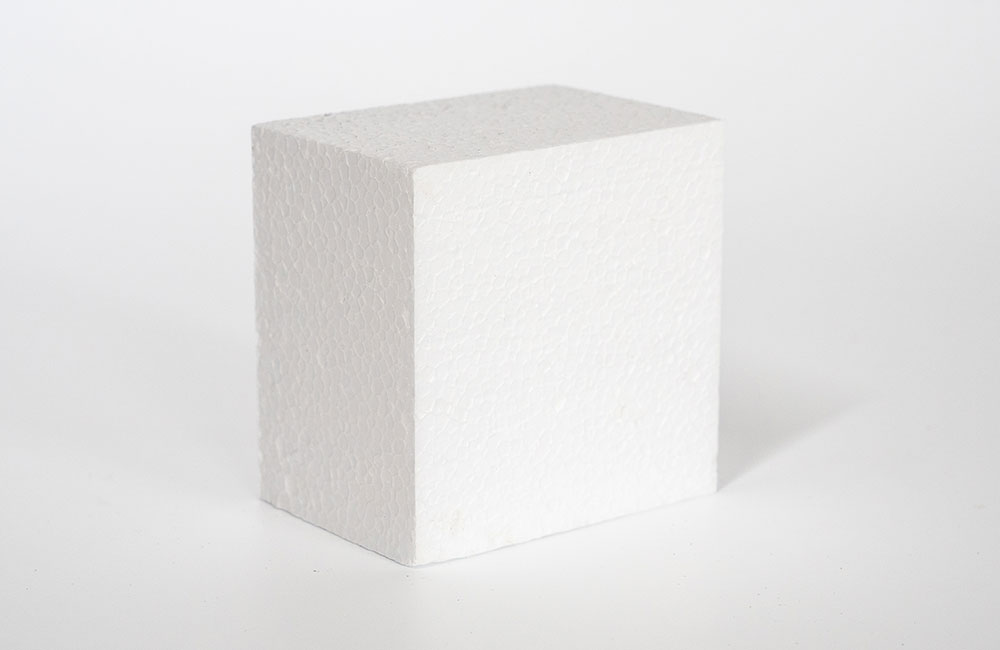
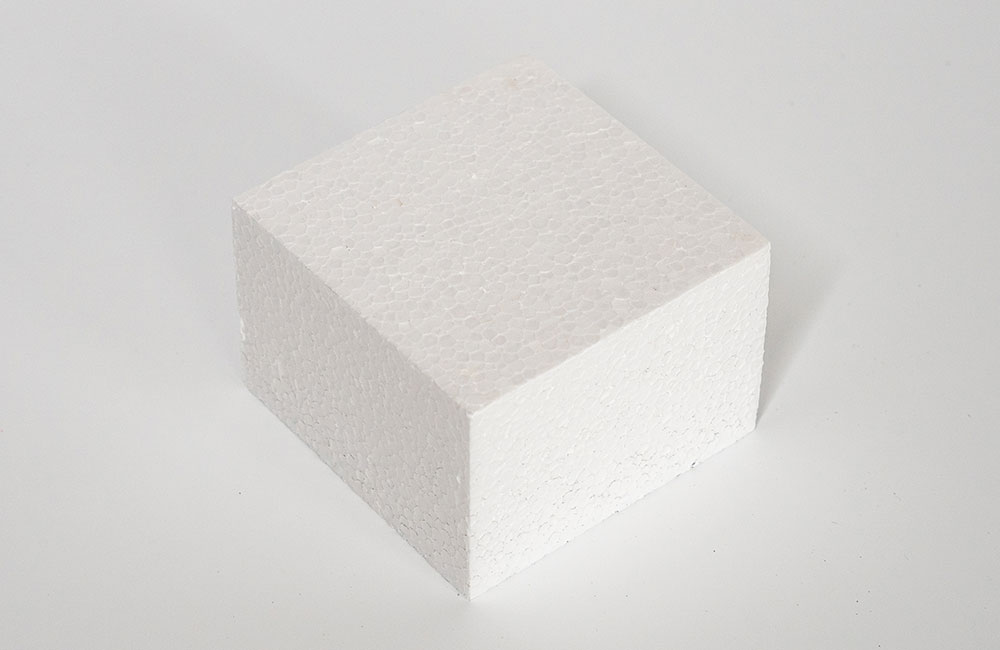
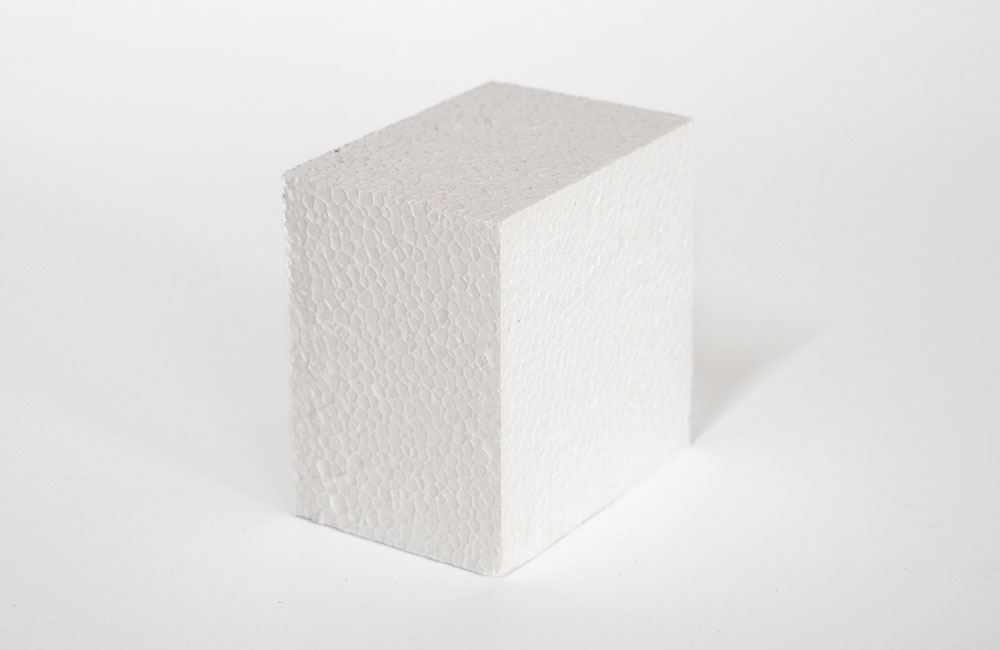
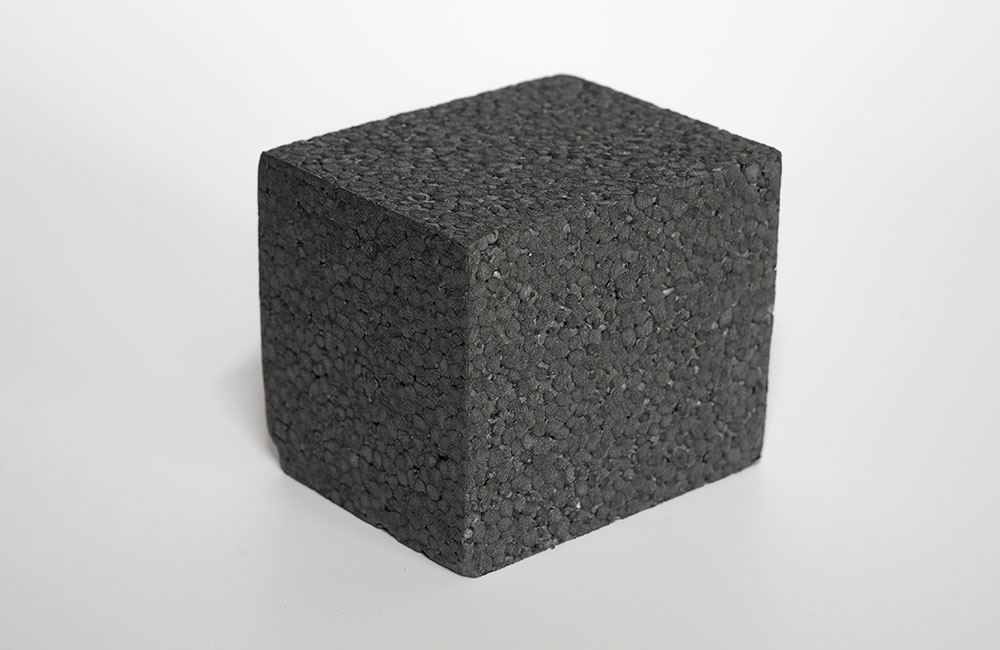
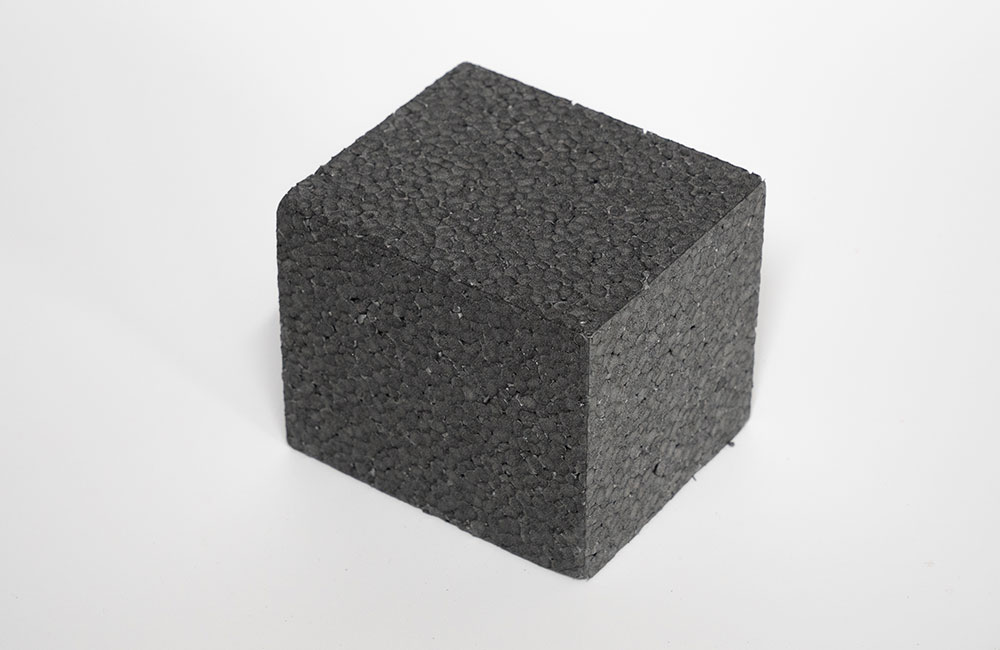
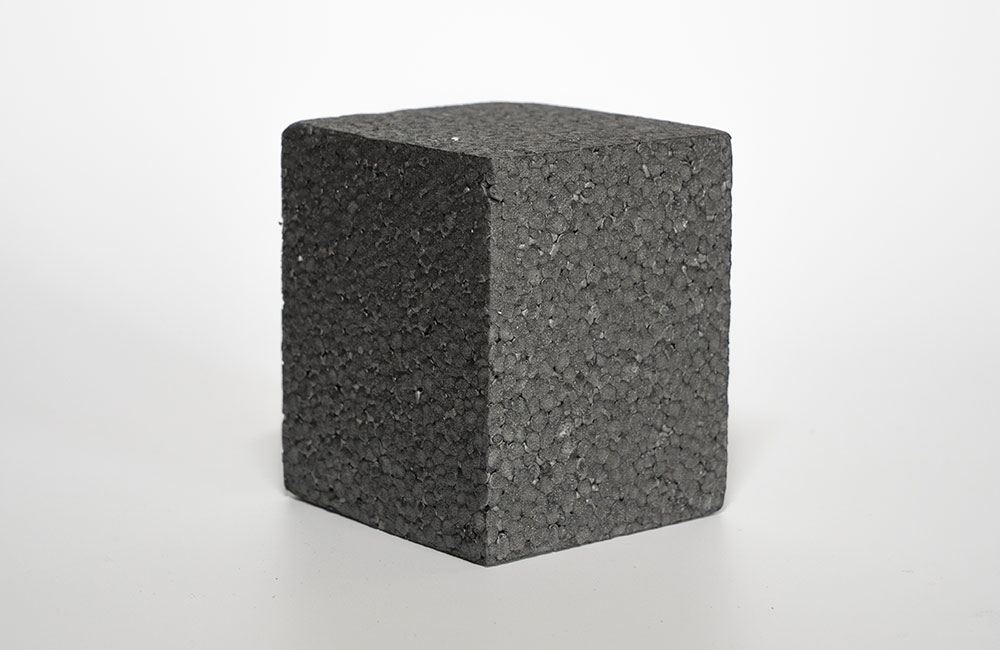
Versatile and efficient use
EPS is extremely versatile, available in a variety of shapes and sizes, and can be combined with many other materials. It can replace aggregates in lightweight concrete, making it up to 75% lighter than regular concrete—ideal for multi-story buildings or homes where extra weight is a concern. EPS offers excellent thermal and acoustic insulation, is highly fire-resistant, and has a long service life. It is also used for packaging boxes for fish and fruit and vegetables, as well as for decorative shapes, including those coated with suitable resins. Furthermore, EPS supports a closed material cycle, using raw materials that can be reused and fully recycled. It offers exceptional protection against heat and moisture, and due to its light weight it is easy to handle and assemble on construction sites.
Benefits of using EPS
Excellent Thermal Insulation
EPS insulation panels are extremely effective in keeping your home comfortable. They help maintain a stable indoor temperature, keeping walls warm in the winter and cool in the summer. This not only makes living more comfortable, but also helps heating and cooling systems operate more efficiently.
Proven Acoustic Insulation
If noise is a problem, EPS can be a great solution. It provides good sound insulation, reducing unwanted sounds and creating a more peaceful and relaxing environment. Whether at home or in the office, EPS helps make your space quieter.
Financial Benefits
Investing in EPS insulation is smart for both your budget and the environment. It helps you save on your energy bills by reducing heating and cooling costs. Furthermore, by reducing your dependence on alternative energy sources such as gas and oil, EPS contributes to reducing CO2 emissions. With its excellent price/performance ratio, EPS offers significant savings in the long term.
Longevity
One of the biggest advantages of EPS is its durability. It does not degrade or break down over time, meaning it will continue to function for years to come. This longevity makes EPS a reliable choice for any insulation need.
Product Specifications
Our EPS products are designed with a range of specifications to ensure they meet the highest standards for performance, durability and safety. Below you will find detailed information on each specification, highlighting the exceptional qualities that make our EPS product ideal for various applications.
Length
EN Method: EN 822
Unit: mm
Declared according to EN 13163:2012+A1:2015: ± 3
Width
EN Method: EN 822
Unit: mm
Declared according to EN 13163:2012+A1:2015: ± 3
Thickness
EN Method: EN 823
Unit: mm
Declared according to EN 13163:2012+A1:2015: ± 2
Rectangularity
EN Method: EN 824
Unit: mm
Declared according to EN 13163:2012+A1:2015: ± 5
Flatness
EN Method: EN 825
Unit: mm
Declared according to EN 13163:2012+A1:2015: ± 5
Bending Strength
EN Method: EN 12089
Unit: kPa
Declared according to EN 13163:2012+A1:2015: 150
Force in Pressure
EN Method: EN 826
Unit: kPa
Declared according to EN 13163:2012+A1:2015: 100
Dimensional stability under normal laboratory conditions
EN Method: EN 1603
Unit: %
Declared according to EN 13163:2012+A1:2015: ± 0.5
Dimensional Stability at 70°C
EN Method: EN 1604
Unit: %
Declared according to EN 13163:2012+A1:2015: 3
Fire Response
EN Method: EN 13501-1
Unit: /
Declared according to EN 13163:2012+A1:2015: E
Thermal Conductivity
EN Method: EN 12667
Unit: W/m.K
Declared according to EN 13163:2012+A1:2015: 0.031